
Pediatric Orthodontics for New England Patients
Correct Your Child’s Smile Earlier, Not Later

If you had the peace of mind that your child’s oral health was taken care of and that you could save money on costly treatments for their future care, wouldn’t you take the steps necessary to make it happen? If your child is dealing with orthodontic problems at a young age, it’s always easier to get it taken care of now, while their teeth are still developing, using pediatric orthodontics. The team at our 12 orthodontic offices throughout New England recommends that you bring your child in for an exam by the age of seven, as this is the age when orthodontic issues are most recognizable and treatable.
What Is Pediatric Orthodontics?

The basic idea of pediatric orthodontics or Phase 1 orthodontics is relatively straightforward. The main goal is to help your child achieve a healthy smile and avoid problematic overcrowding, misalignment, bite problems and address non-nutritive habits ahead of time. It gives our orthodontists a chance to create enough room in their mouth for permanent teeth to erupt, which is extremely important if you want to help them avoid complications later on. Once your child reaches the age of seven, we recommend that you bring them into one of our 12 orthodontic offices so we can confirm the growing patterns of their teeth and jaw.
What Kinds of Treatment Fit into Pediatric Orthodontics?
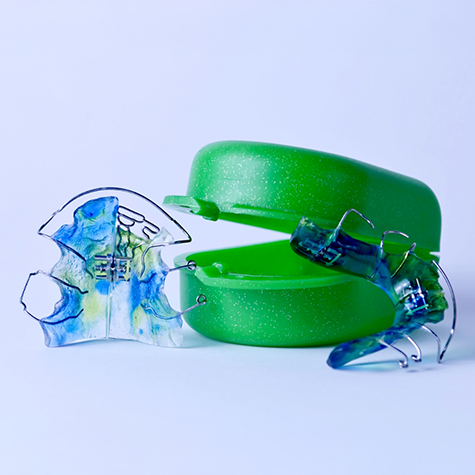
Keep in mind that these types of orthodontic treatments are generally not as long as more traditional options like braces. In contrast, these treatments tend to last between 9 and 12 months. When we talk about specific ones, we often refer to options like other functional appliances. We also talk about limited phase braces, or those requiring a shorter wear time as opposed to more traditional solutions. We might use a specialized retainer, an expansion appliance or a space maintainer as well, all of which are designed to treat specific concerns.
What Are the Benefits of Pediatric Orthodontics?
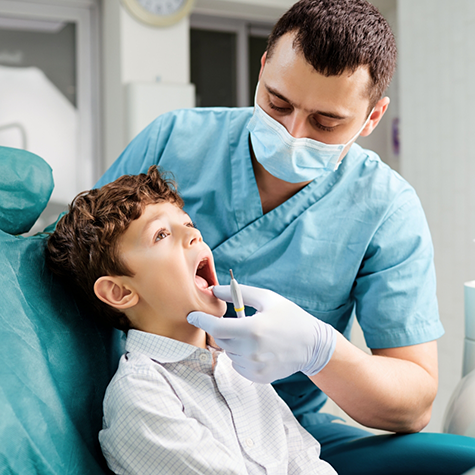
If it’s indicated that your child is a candidate for early intervention, you’ll learn that many benefits accompany treatment. For one, we can reduce the risk of teeth becoming impacted as they erupt, as more room will be available for future growth and development. It also helps your child avoid speech problems, which are often caused by failing to address early orthodontic issues when they appear. The sooner we can positively influence your child’s growth and create harmony with their arches, the more likely we can correct harmful oral habits (i.e., thumb-sucking, tongue-thrusting) and improve the aesthetics of their smile.
Pediatric Orthodontics FAQs
When Does Pediatric Orthodontics Take Place?
Pediatric orthodontics typically takes place between the ages of 7 and 10, while your child still has a mixture of baby and permanent teeth. In fact, the American Association of Orthodontists recommends that children have their first orthodontic evaluation by age 7. By bringing in your child for this visit, our team has the opportunity to identify any concerns at the right time and begin planning treatment options. Starting early allows us to guide jaw development, create space for incoming permanent teeth, and correct bite problems before they become more serious.
How Do I Know If My Child Needs Pediatric Orthodontics?
Some signs that your child may benefit from pediatric orthodontics (sometimes called Phase 1 treatment) include things like:
- Early or late loss of baby teeth
- Difficulty chewing or biting
- Mouth breathing or snoring
- Thumb sucking past age 5
- Crowded or misplaced teeth
- Jaws that shift, pop, or appear unbalanced
- Upper and lower teeth that don't meet properly
That said, not every issue is visible to the untrained eye. The best way to know for certain is to schedule an orthodontic evaluation at one of our New England locations. Our team can spot developing problems that pediatric orthodontics can often address.
How Long Does Pediatric Orthodontics Take?
Pediatric orthodontics typically lasts between 9 and 12 months or longer on average, though the exact timeline depends on your child's specific needs and how much guidance their teeth require. Following treatment, your child might also wear a retainer to hold the improvements in place while their remaining permanent teeth continue to come in. It's worth noting that pediatric orthodontic treatment is not meant to be a complete solution, but rather a small, focused intervention that makes any future treatment shorter, simpler, and more effective.
Will My Child Still Need Orthodontic Treatment in the Future?
The answer here is yes, your child could still possibly need orthodontic treatment in the future, and that's completely normal. You can think of pediatric orthodontics as laying the foundation; it addresses specific developmental concerns early on, but it doesn't replace the need for comprehensive orthodontic treatment. However, this is no reason to panic. Most children who go through Phase 1 will still benefit from future treatment, typically with braces or clear aligners, once all of their permanent teeth have come in. The good news is that early intervention often means this future treatment is less complex and takes less time!