
If you’re considering orthodontic treatment, you’ve likely come across two common options: traditional braces and self-ligating braces—although the former might be what you think of first. However, while both can be highly effective at straightening teeth and correcting bite issues, they do differ in a few ways. Here’s a closer look at each and how your orthodontist will decide which solution is best for your teeth.
A Closer Look at Traditional Braces
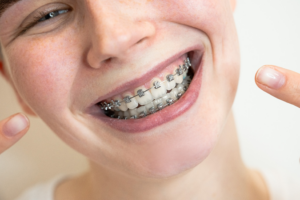
Traditional braces are the most recognizable form of orthodontic treatment. They consist of metal or ceramic brackets that are bonded to the teeth, connected with an arch wire. Small elastic bands or ties are also used to help position everything and facilitate proper tooth movement. Over time, your orthodontist makes small adjustments to the braces so that they continue to guide your teeth.
Traditional braces are proven and reliable, and can be used for a variety of situations, including even complex issues such as overbites and crossbites. While they do come with some specific guidelines concerning eating and oral hygiene, as well as the need for semi-frequent adjustment visits, patients of all ages can count on these metal brackets and wires to get the job done.
Breaking Down Self-Ligating Braces
Self-ligating braces look similar to traditional braces but feature a key design difference: They don’t use any elastic bands on the brackets. Instead, they rely on built-in clips or sliding mechanisms to hold the arch wire in place. The idea is that this design reduces the amount of overall friction and lets the archwire move more freely as it helps to shift the teeth.
As a bonus, self-ligating braces are normally a little easier to clean, and many patients say that they make adjustment visits a little more comfortable. However, self-ligating braces might not be able to tackle the full scope of orthodontic issues that their traditional counterparts can.
Which Option Is Right for My Smile?
During your consultation, your orthodontist will carefully evaluate your bite, alignment, and overall oral health to recommend the most effective approach. The best choice depends on several factors, including the complexity of your case, lifestyle and hygiene habits, budget considerations, and your aesthetic preferences. Your orthodontist will also have very valuable insight; after all, they know your smile best!
The bottom line is, while they have their differences, both traditional braces and self-ligating braces are time-tested and certain to deliver spectacular results.
About the Practice
Here at Simply Orthodontics, we’re proud to provide patients and families in Framingham and the nearby area with a wide range of orthodontic solutions, including traditional braces, self-ligating braces, Invisalign clear aligners, and more. With Dr. Anna Simon leading the way, you can count on a personally-tailored treatment plan that delivers astonishing results in a timely manner. If you have any questions about the blog or you’re ready to schedule an orthodontic consultation for yourself or a loved one, you can call or reach out online for more information. Telephone: (508) 403-8034.





 Follow Us